Tell Governor Stein to stop Duke Energy’s expansion of fossil fuels and suppression of solar!

Stand up for Local Solar

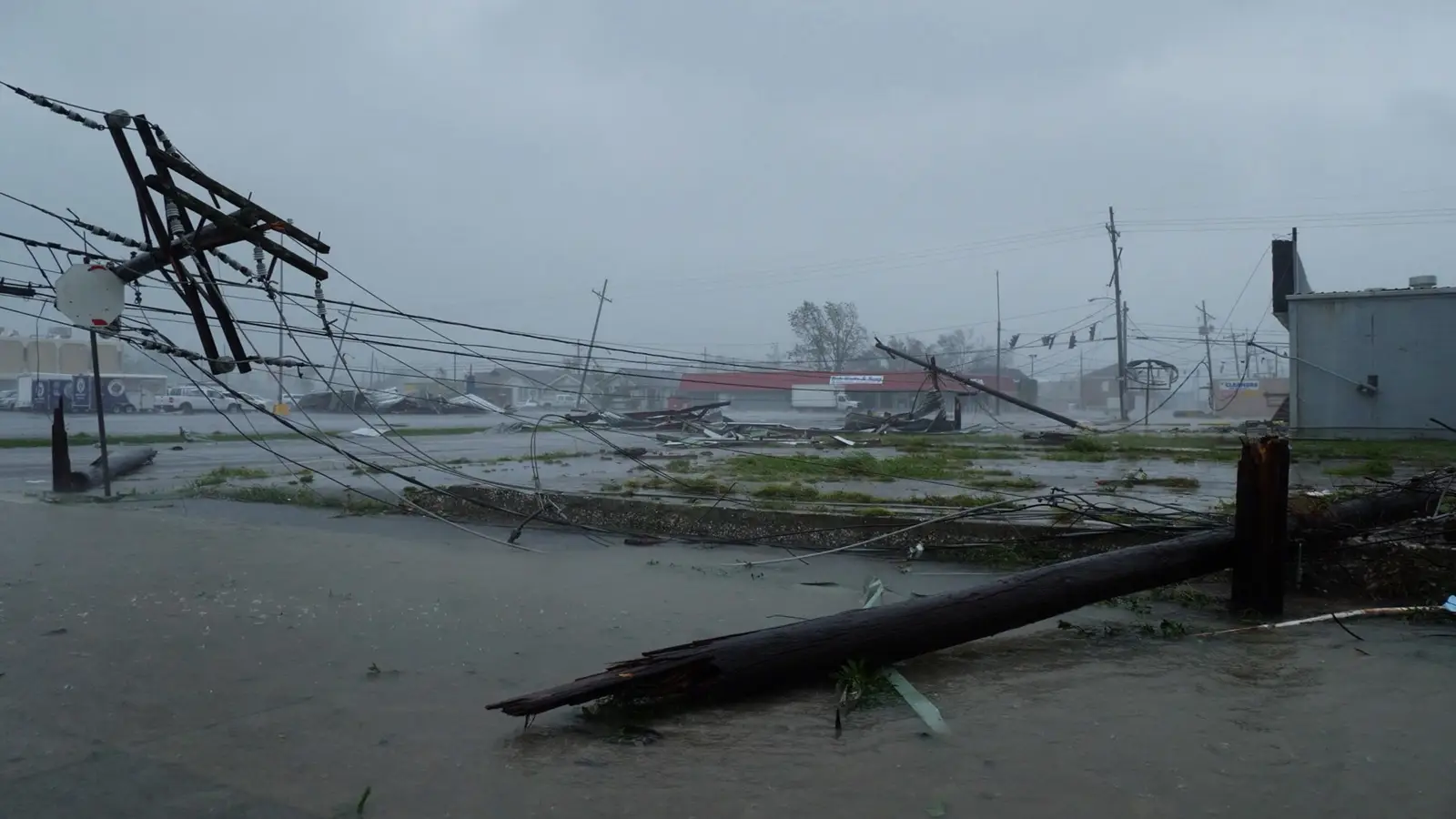
Downed Power Lines

NC WARN’s Sharing Solar proposal is the fastest, cheapest and fairest way to phase out climate-wrecking fossil fuels.

  • Duke Energy is spending billions of dollars of customer money to build more fracking gas plants and power lines that are vulnerable to extreme weather. We need Duke to invest our money in resilient local solar and battery storage instead.
  • By supporting local solar plus storage, North Carolina could finally begin helping to slow the climate crisis while building communities that can better withstand the effects of disasters like Helene.

TAG YOUR POSTS: #SharingSolarNC #ClimateCrisis

Sharing Solar

The Fastest, Cheapest, Fairest Way to Slow the Climate Crisis

NC WARN is proposing a major shift for the state. The 36-year-old nonprofit says the costs and benefits of local solar-plus-storage (SPS) – including lower power bills – should be shared by all customers the same way we all pay for polluting power. There would be no up-front cost, plus financial incentives for adding solar power and battery storage on homes, businesses and others.

Vimeo video

Sharing Solar: The Best Way for North Carolina to Help Slow the Climate Crisis

We, the undersigned, support a sweeping shift away from the monopoly-captive electric power system that increasingly harms communities, drives up power bills and makes the climate crisis worse. All Duke Energy’s residential, commercial and nonprofit customers can share in the costs and benefits of clean energy much like we currently pay for polluting power plants – through the electric rate system.

Under NC WARN’s Sharing Solar proposal:

  • Customers could get solar plus battery storage (SPS) installed at their home or business at no cost. Instead, it would be funded through the rate system – just as we now all pay for dirty power.
  • Local SPS would expand across NC quickly, inexpensively and equitably – with priority given to disadvantaged communities and emergency facilities.
    Solar companies would grow and create thousands of jobs in towns and cities, and Sharing Solar would also help during power outages.
  • It also would avoid the year-after-year rate hikes and high risks in Duke Energy’s multi-billion dollar plan to keep expanding fossil fuels, experimental nuclear reactors and unnecessary transmission, all of which would disproportionately impact communities of color and low-income areas.

North Carolina has twice the practical space on rooftops, parking areas, contaminated brownfields and vacant land close to towns and cities to meet our climate goals. It is past time for a genuine clean energy transition in North Carolina – not more false solutions.

Respectfully,

Jim Warren
Executive Director, NC WARN

Areas of Impact

Parking Areas
Locating solar panels and storage batteries where power is used will generate jobs in towns and cities across the state.
Residential Rooftops
All Duke Energy’s residential customers can share in the costs and benefits of clean energy.
Industrial Rooftops
North Carolina has twice the practical space needed to meet climate goals on rooftops.
Corporate Rooftops
North Carolinians and businesses would rather be buying clean power.
Transmission Lines
Duke leaders plan to waste billions building transmission lines … using land seizures against farmers and low-income communities.
Climate Crisis
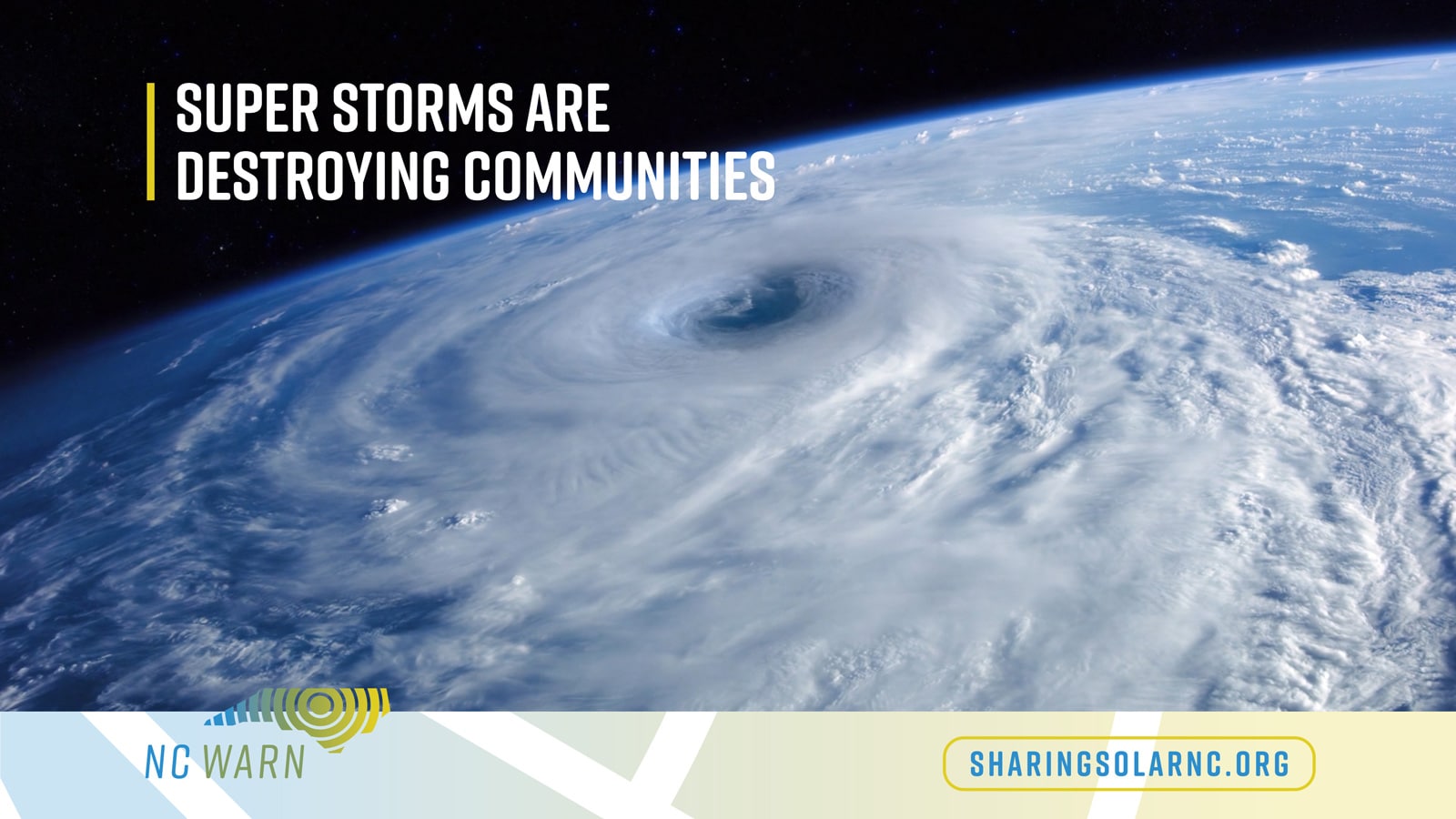
NC communities are already being devastated by worsening climate disasters.
Dirty Power Plants
Duke Energy wants to keep building dirty power plants for decades!

Supporters of Local Solar

Right now, we’re at the mercy of the Duke monopoly and its unclean energy … and what they charge us for it. We’re paying for our own demise.
Bobby Jones
Bobby Jones
President of the Down East Coal Ash Environmental and Social Justice Coalition
The more that you could just supply local load with local resources that don’t use transmission, you’re not driving a need for more transmission or for more utility-scale generation built on desert habitats or farmland.

Lorenzo Kristov
Lorenzo Kristov
Volts Podcast: “Envisioning a more democratic, bottom-up energy system”
The cheapest, most reliable power can be produced renewably and produced at or near the customers — that is distributed.
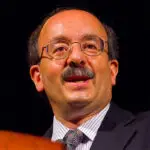
Armory Lovins
Amory Lovins (Rocky Mountain Institute)
“Freeing Energy” Podcast